System holding pressure
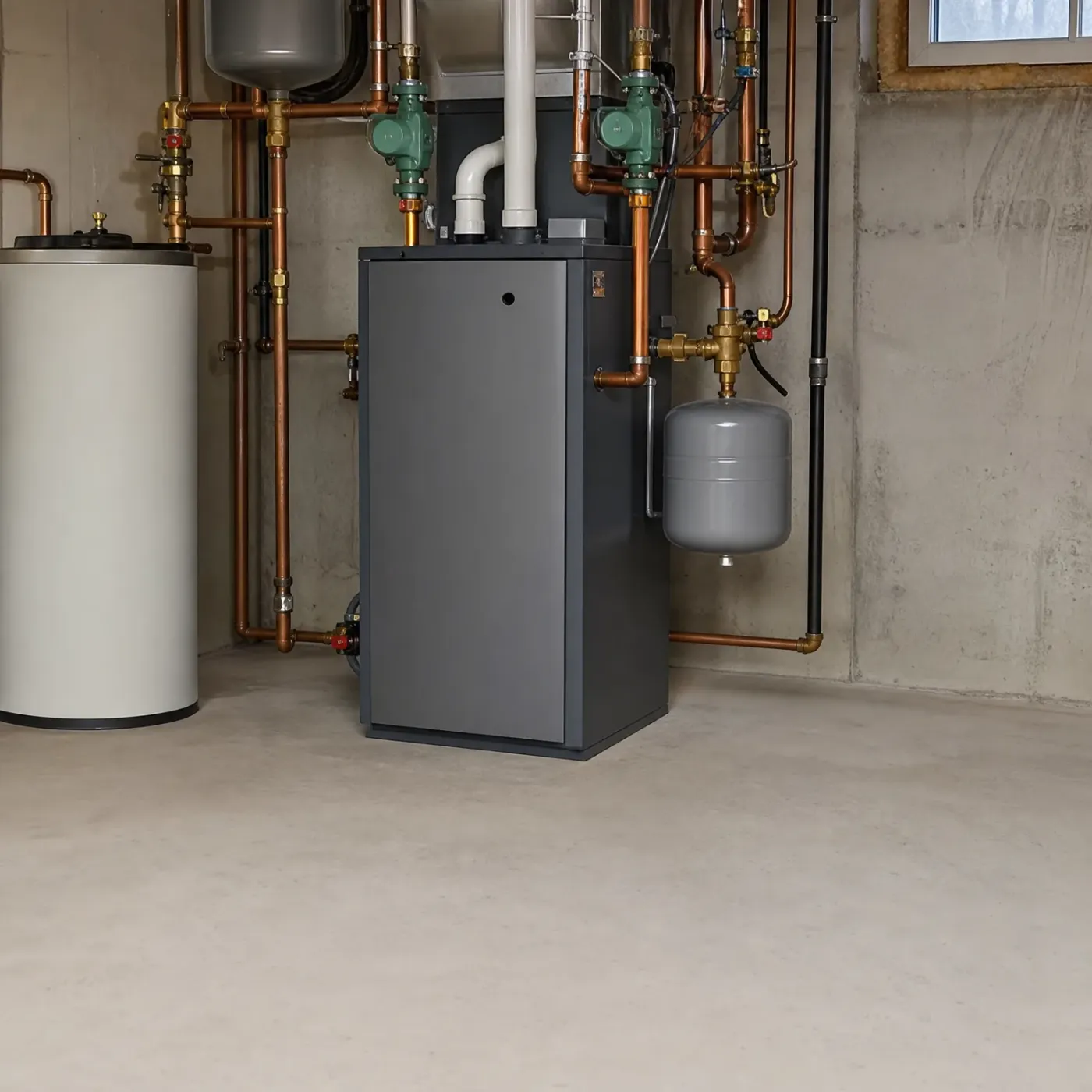
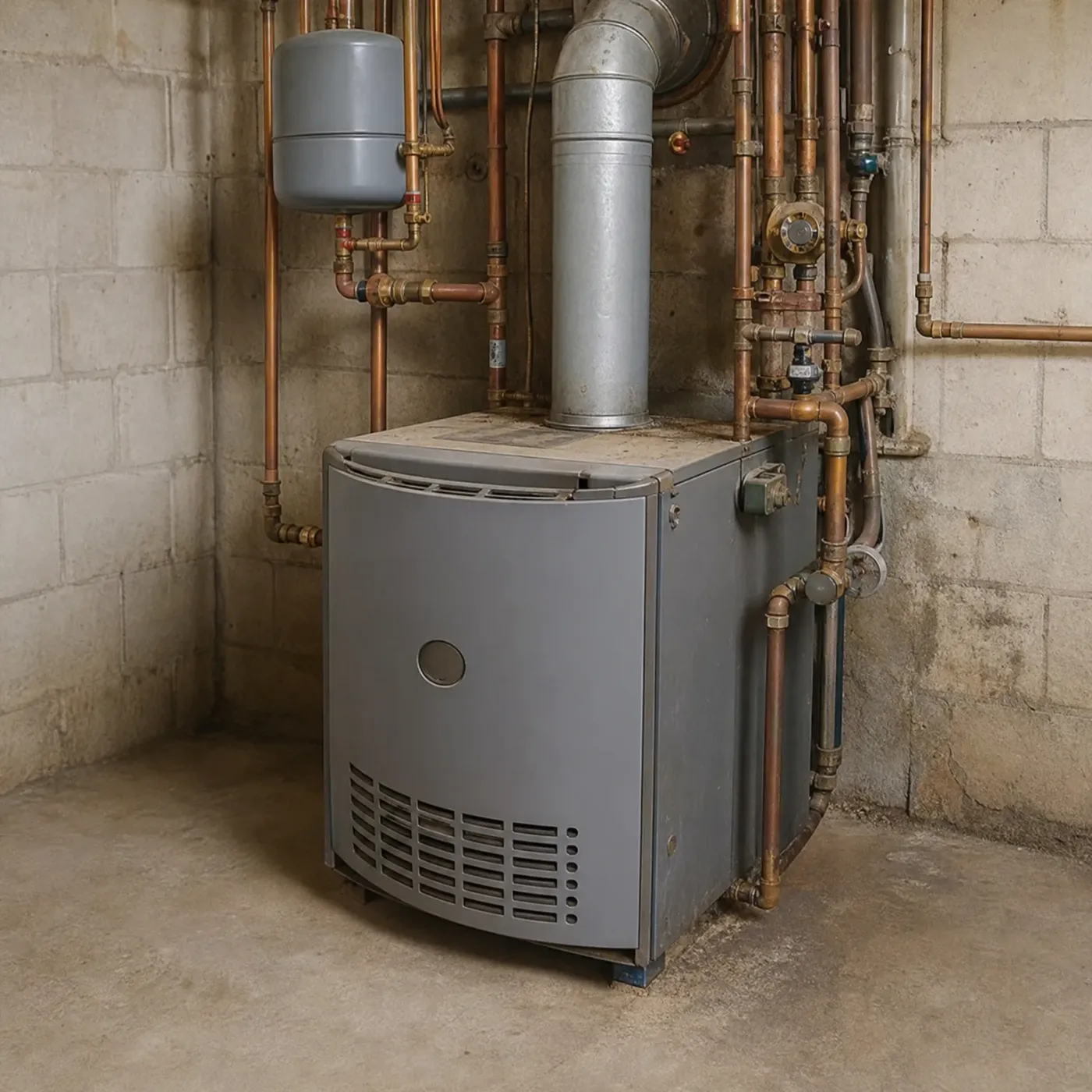
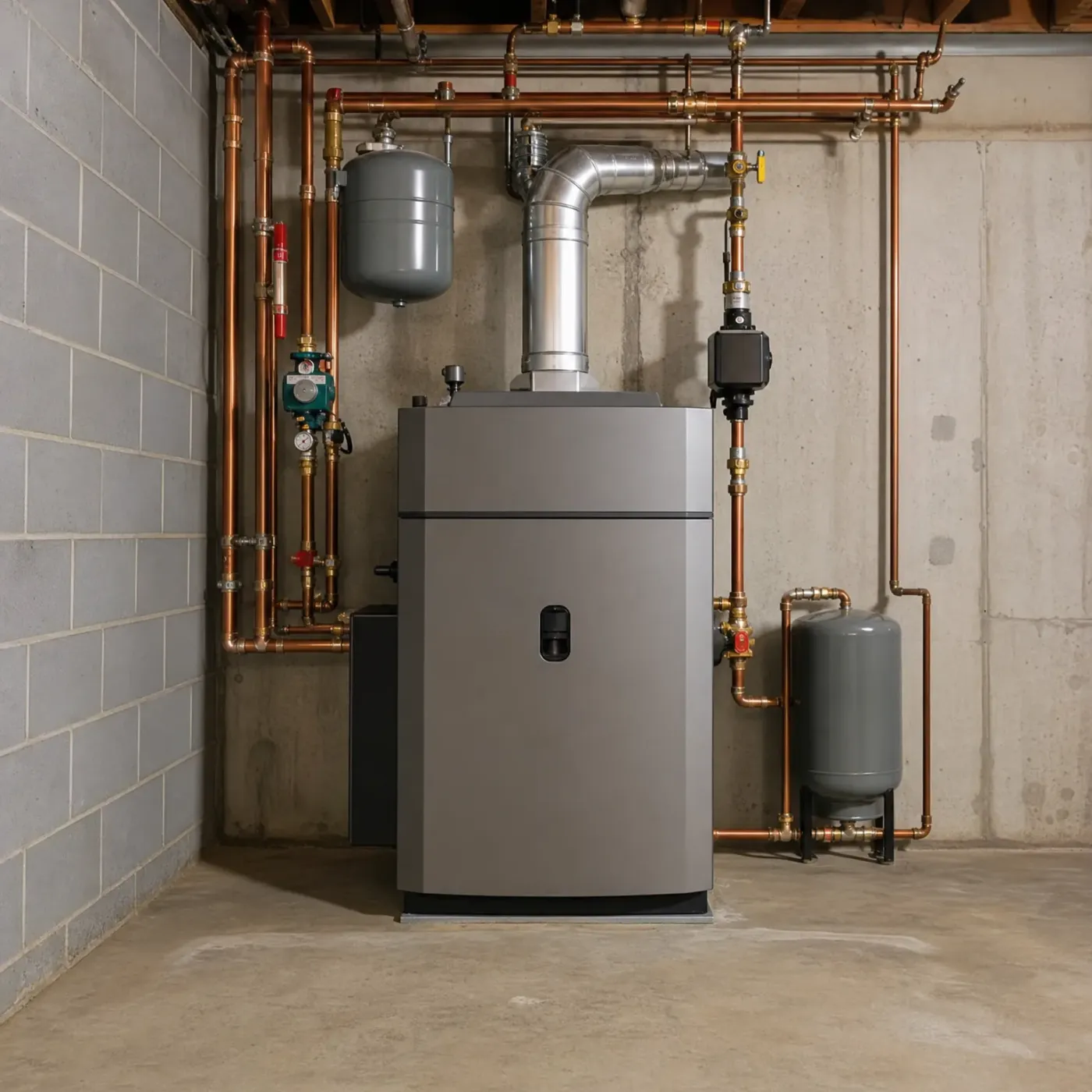
This is what a boiler looks like running right. The gauge sits in its normal range, the copper pipes and fittings are dry, and the expansion tank is doing its job quietly off to the side. Nothing here needs your attention.

A boiler loses pressure because water is leaving the closed loop somewhere, or because the system lost air through a bleed valve and settled lower on the gauge. The most common cause is a slow leak, often at a valve, a fitting, or the pressure relief valve itself, and it can be small enough that you never see a puddle. Pressure can also drop if the expansion tank has failed, since that tank is what keeps the system from pushing water out when it heats up. In New Mexico, where gas heat runs on dry winter air and the system cycles on and off for months, small leaks and worn seals show up as a gauge that keeps creeping down. A boiler that keeps losing pressure will eventually shut itself off or stop heating properly, and refilling it over and over without finding the leak just wears down the same worn parts faster.


Cold, your boiler should read somewhere around 12 to 15 psi. Watch that number over a few weeks. If it keeps drifting down past 10, water is leaving the loop somewhere, even if you never find a puddle. A fitting at a baseboard or a worn seal on the circulator pump can weep slowly enough that nothing ever pools. In a dry climate like this one, that little bit of moisture evaporates before you'd ever spot a stain. The pressure relief valve adds another wrinkle. It's built to open once pressure climbs too high, but after it opens, it often keeps dripping even after pressure drops back down. Meanwhile an automatic feed valve can hide all of this. It tops off the system quietly, so your gauge still looks fine while water keeps draining out somewhere else. And if the expansion tank has gone waterlogged, losing its air cushion, pressure will swing up and down instead of holding steady, which can look like a leak even when the real issue is the tank itself.
A boiler that quietly loses pressure shows up in ordinary moments. The system locks out on a Tuesday night in January, and the house goes cold until someone resets it or calls for help. That is the pattern worth watching: not one bad night, but a repeat. New Mexico's dry air works against you here. A drip that would leave a wet patch in a humid climate just evaporates, so the water is gone and the stain never forms. You might only catch it as a faint ring of mineral residue near a fitting or under the circulator pump, long after the leak started. Refilling the loop yourself buys a few days, but the minerals in that water don't leave with the leak. They travel through the system and settle at the valve seat or the pump seal, the same places already under stress. A pump that seizes from scale is a different repair than a fitting that needs a new gasket, and it costs more to fix. None of this is urgent in the way a gas smell is urgent, but it compounds. The boiler that shuts itself down twice a month now is the one that fails outright on the coldest night of the year, with the house full of people who are counting on the heat working. Finding the leak early, while it is still a small drip, is what keeps it a small job.




A boiler that keeps losing pressure through a New Mexico winter will keep finding ways to shut off when you need it least, usually on the coldest morning. Tracking down where the water is going, whether it's a fitting, a valve, or the relief valve itself, takes someone under the floor and behind the pipes, not a guess from the gauge alone. Finding a plumber who works on hydronic heat, getting them out to look, and then doing it again if the first one is booked solid or quotes something that doesn't sit right is its own kind of work, especially once the system is already cycling off on low pressure and you're losing heat while you sort it out. Handing this off means one contractor who handles boilers gets your situation and calls you, instead of you working the phone yourself. The gauge won't hold on its own, and the sooner someone traces the leak, the fewer cold mornings you spend watching that needle drop.
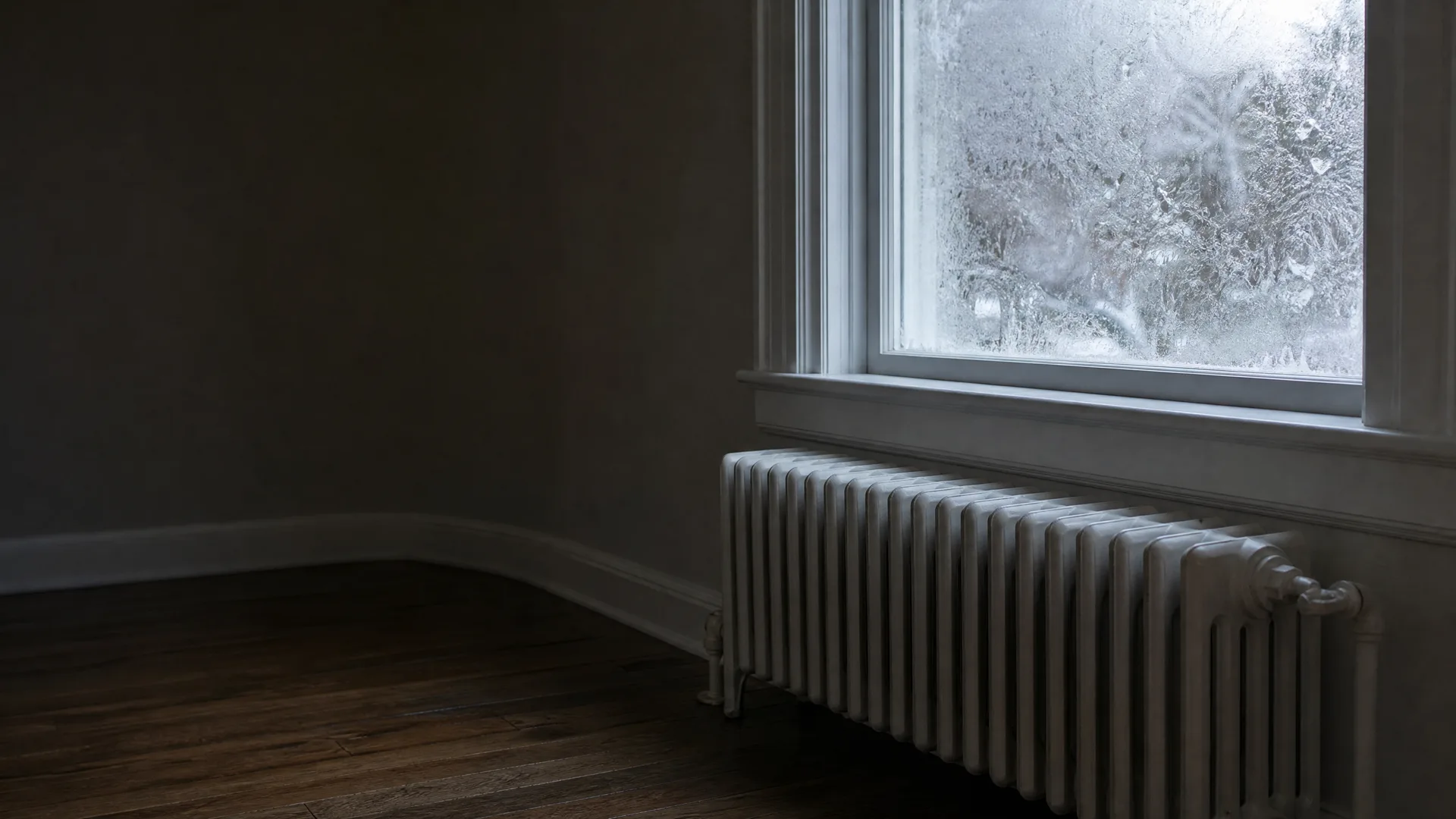
You come down before the sun is up, the way you always do, and the living room is cold in a way it hasn't been since last January. The radiator under the window is barely warm at the bottom, stone cold at the top. The glass has a skin of ice on the inside, something you haven't seen since the house was new. You check the gauge on your way to the kitchen and it reads just under 10, same as it did a few days back, only lower. Outside, the sky over New Mexico is clear and hard, the kind of cold that comes after a dry stretch. You crouch by the pipe behind the radiator and run a finger along the fitting, checking for the dampness that would explain where the water went.
A room that used to heat up fine is taking longer, or staying cool while the rest of the house warms. You check the boiler and the gauge reads low again, even though you topped it off not long ago. Maybe there's a faint damp patch near a baseboard pipe, or a bit of white or green crust around a fitting where water has dried and left minerals behind. The pressure relief valve might show a drip, or you've heard a hiss near the boiler that wasn't there before. None of it looks urgent on its own. But a system that keeps running low on water will cut off on its own safety switch, and that tends to happen on the coldest night, not a mild one.
This is what a boiler looks like running right. The gauge sits in its normal range, the copper pipes and fittings are dry, and the expansion tank is doing its job quietly off to the side. Nothing here needs your attention.
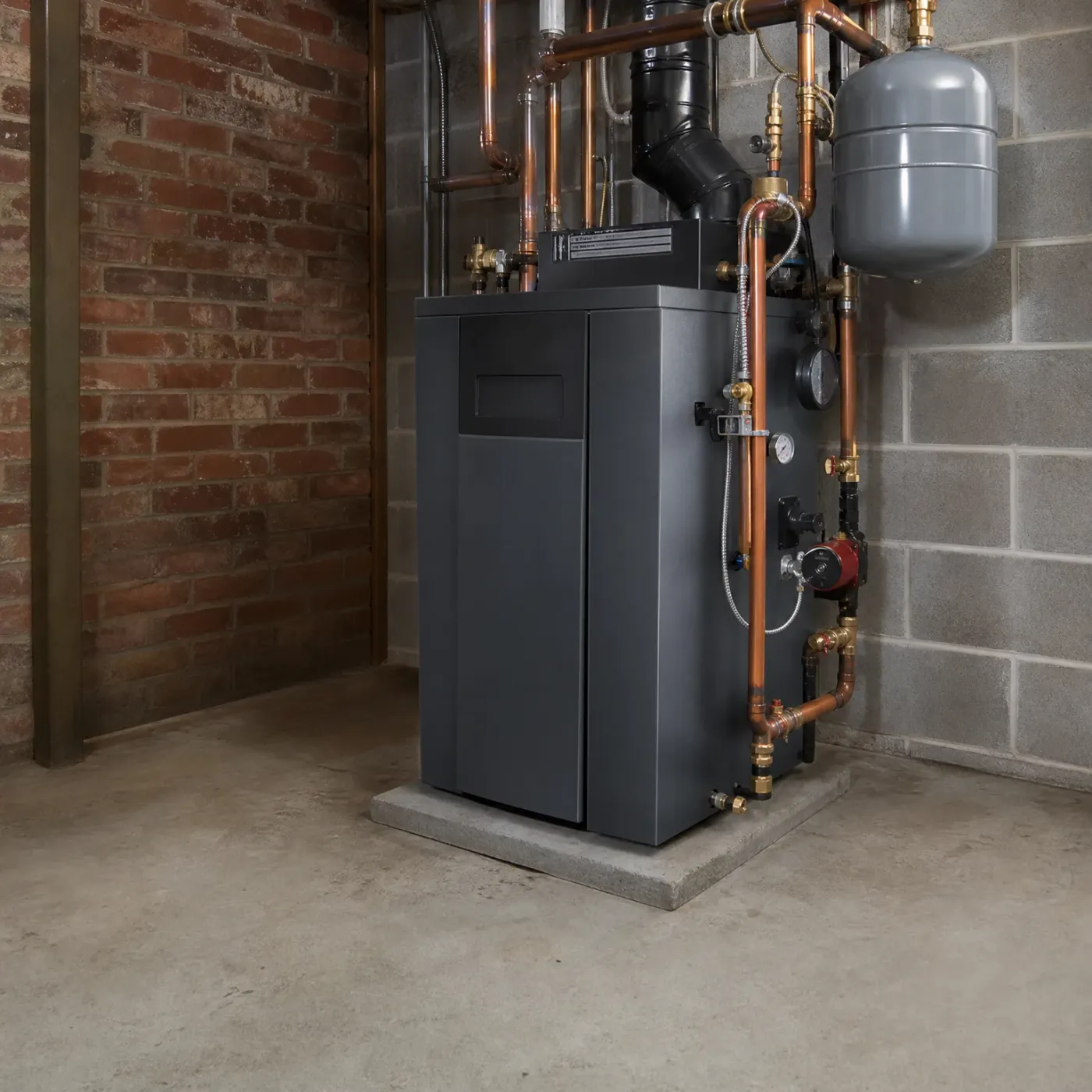
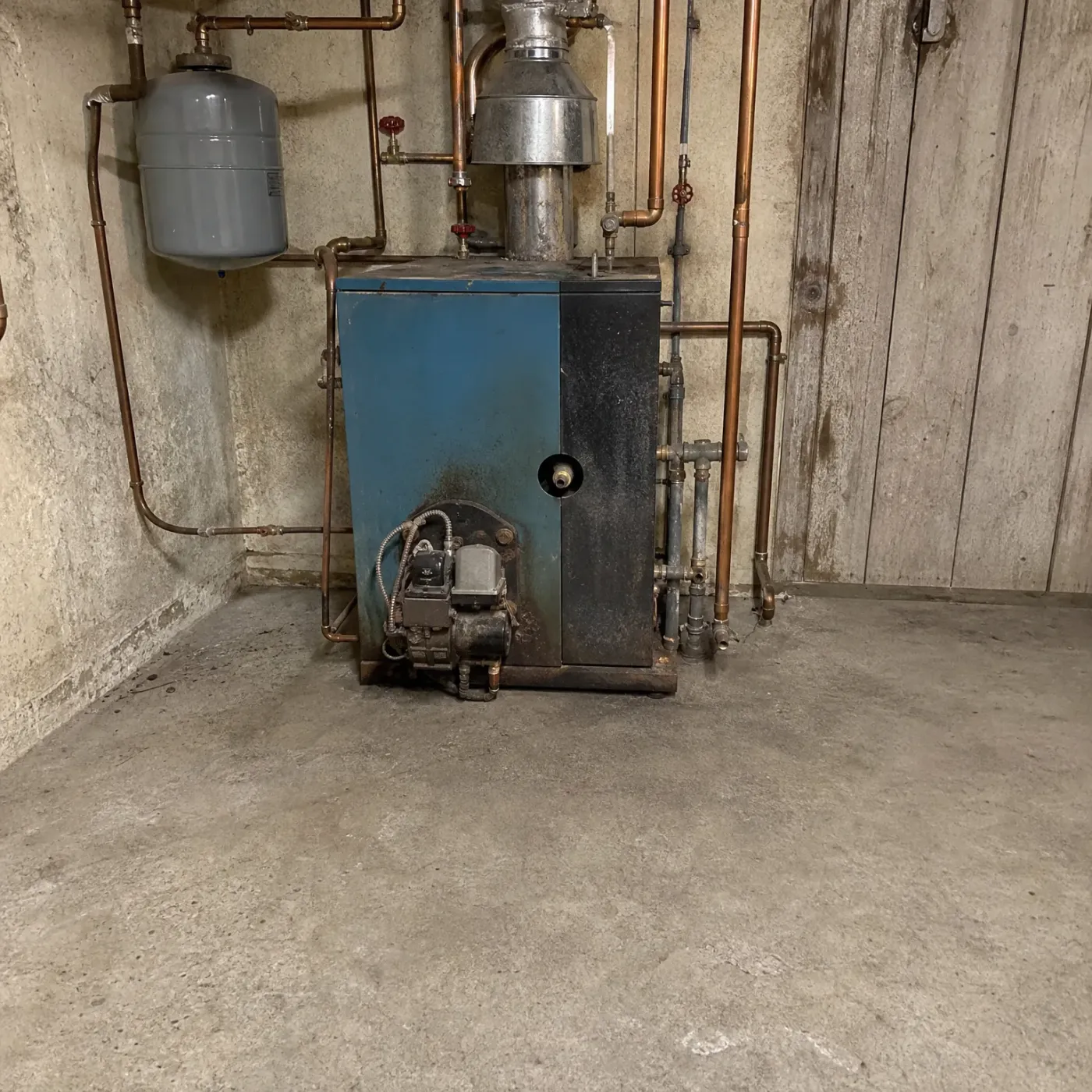
Same kind of setup, different story. Water is going somewhere it shouldn't, through a fitting, a valve, or the relief valve, and the gauge keeps drifting down. Left alone through a New Mexico winter, this is the boiler that shuts off on the coldest morning.
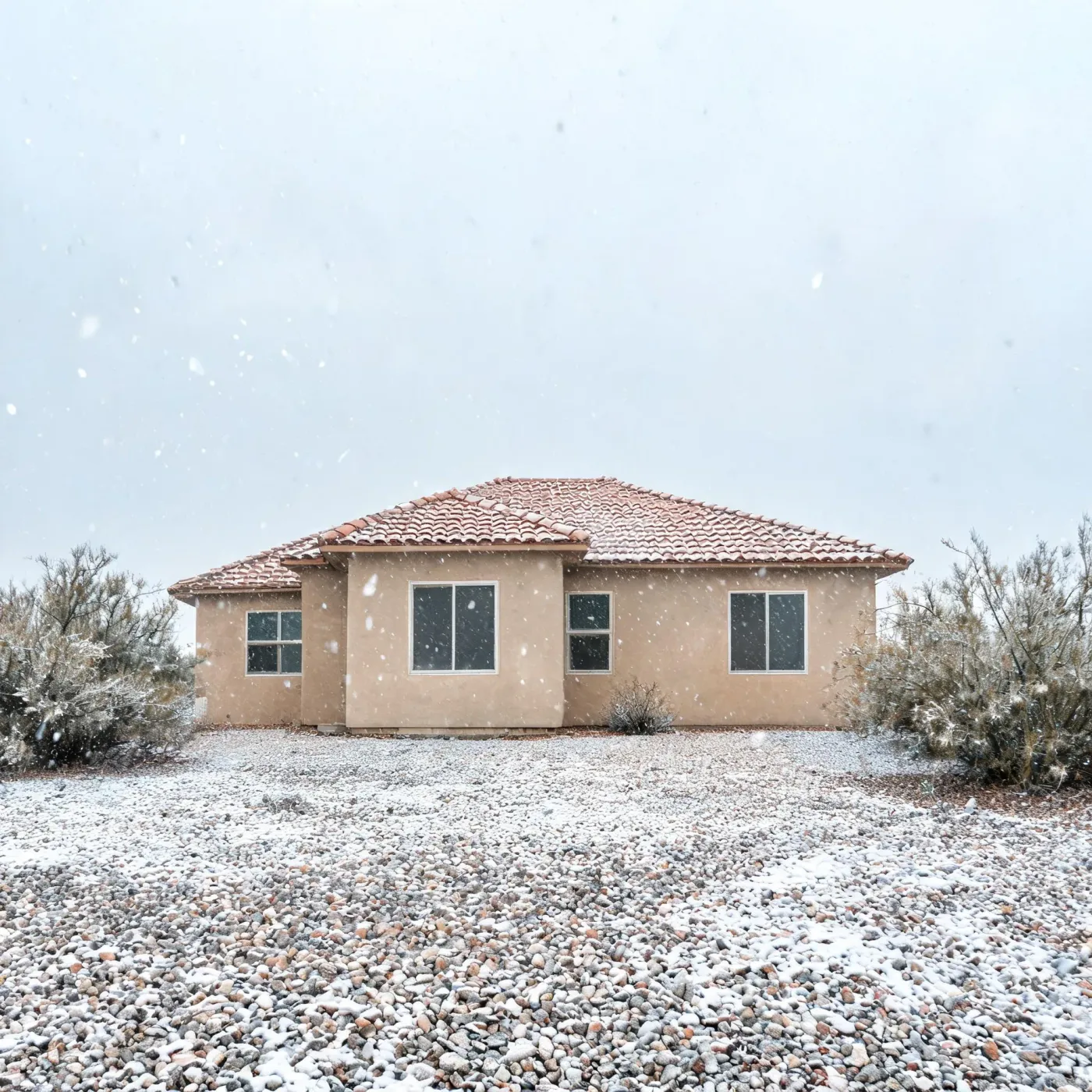
Winter nights average 23°F statewide, according to the National Weather Service. At that temperature your boiler runs long stretches without stopping, and the metal in the pipes and fittings contracts and expands more than it does during a mild cold snap. A fitting that seeps a little in October can seep more once the loop is running hot for hours at a stretch on a night like that. That's when a slow leak tends to show itself, a lower number on the gauge in the morning than the night before, even though nothing changed in the house.
NOAA nClimDiv 1991-2020 county normals weighted by homes
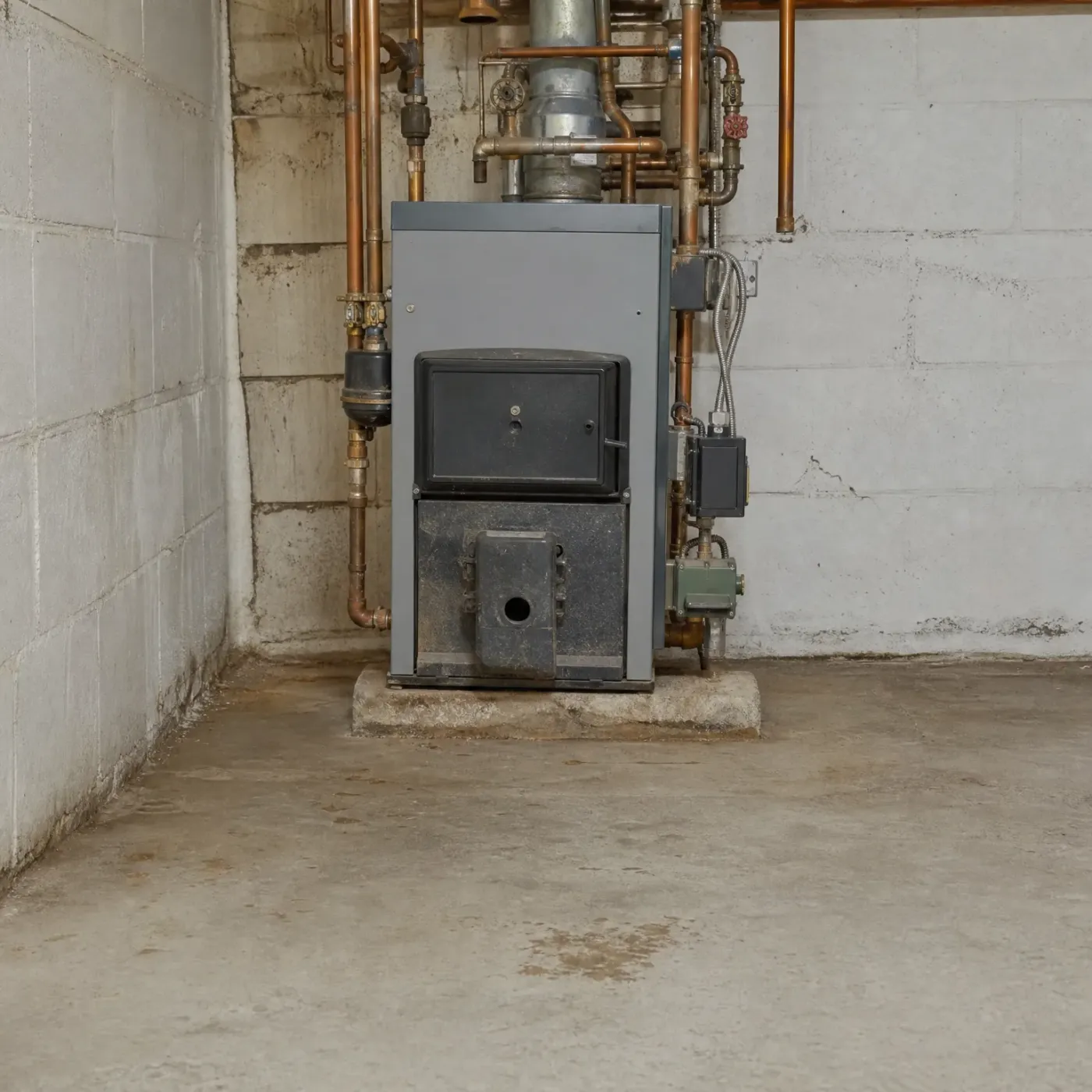
Nights this cold mean your boiler is firing often and staying on long after midnight to keep the house livable. That steady cycling works at any slow leak already in the system, so a loss that seemed small in October can show up as a harder pressure drop by January.
NOAA nClimDiv 1991-2020 county normals weighted by homes

A boiler holding 12 to 15 psi stays there unless water is leaving the loop or air got bled out somewhere along the way. Once it's settled below 10 and keeps sliding, something is letting water out, a fitting, a valve, the relief valve, a pump seal, and it won't stop on its own. New Mexico winters put a boiler through long runs on cold nights, and a leak that was easy to miss in October gets harder to ignore by January.
You don't have to trace the leak yourself or guess which part is behind it. Instead of calling around and explaining the same gauge reading to one contractor after another, you can be matched with one who takes on boiler repair in New Mexico and already knows what a dropping gauge on a cold night usually means. They'll reach out to you directly. From there, the house gets back to holding heat the way it's supposed to.


No charge to send it. You decide if you hire them.
You've already topped off the gauge more than once this winter. A contractor can trace where the water is actually going instead of you guessing again at 2 a.m. when the boiler cuts out and the house starts going cold.