 Get matched
Why your boiler makes a banging noise in New Mexico
Describe your boiler job, and a local pro who handles it gets in touch.
That banging usually starts after the system has been quiet all summer. Boilers here sit idle for months once the weather turns hot and dry, and when you fire it back up for the first cold night, trapped water and air in the pipes or the heat exchanger can hammer loud enough to hear from another room. It sounds worse than it usually is, but it is not something to let run all winter.
In most cases the noise points to one of a few things: water that needs bleeding out of the lines, buildup inside the boiler from New Mexico's hard water, or a loose part knocking against the cabinet when the burner kicks on. Which one it is depends on your system, how old it is, and what has or hasn't been done to it since you moved in.
Natural gas heats most homes in this state, and a boiler that's banging is still burning gas every time it cycles, whether or not it's heating your house the way it should. Left alone, that usually means paying for heat you're not fully getting, and some of these noises get worse the longer they go on.
You don't have to figure out which problem you have before someone looks at it. Once you send the form below, the work of finding a contractor who handles boiler repair in your area isn't on you anymore. A contractor who takes on jobs like yours will reach out to you directly, and you can describe what you're hearing and let them tell you what it means for your system.
Below is more on what the different kinds of banging usually mean and what tends to cause each one in a New Mexico home.
Why does my boiler bang when I first turn it on for winter?
Your boiler sits unused most of the year here. New Mexico summers are hot and dry, and with most homes heating with gas, the boiler doesn't run again until that first cold night rolls in. When you fire it up, you hear banging in the pipes or near the unit, and it makes sense to wonder if something's wrong before the cold really sets in.
The banging is trapped water or air hitting steam or mineral buildup inside the system
The noise comes from water hammer or kettling. Water hammer happens when water slams into trapped air inside the pipes as the system refills and pressurizes after sitting idle. Kettling happens when mineral deposits build up on the heat exchanger and trap steam pockets that collapse with a bang as the water heats. After months of not running, both are more likely the first time you start the boiler for the season. On their own, a few bangs at startup don't mean the boiler is failing. If the banging continues once the system is running normally, or it gets louder over the following nights, that points to buildup or trapped air that needs a contractor to bleed the lines or check the heat exchanger.




Is this something you can hear from another room
You'll likely hear it from the kitchen or a bedroom down the hall, not just standing next to the boiler. It can sound like a hammer hitting the pipes, or a series of pops as the water heats up and moves through. Some people notice it mainly on that first cold morning, then less as the week goes on. Some hear it every time the heat kicks on all winter. If it's happening on every cycle, the sediment or trapped air causing it is sitting right at the heat exchanger, and that's the part most likely to wear out early if the banging keeps up night after night.


A local pro for your boiler repair
Once you send the form, finding a pro is off your list.
Say what's going on with your boiler, and a pro who works on them reaches out.
Sending the form costs nothing.
Bleed It Yourself or Have It Looked At
Bleed It Yourself
- Bleeding the radiators or the air separator yourself can quiet banging caused by trapped air, and it costs nothing but time.
- You need to know where the bleed valve is on your system, and not every boiler makes that easy to find.
- If the noise comes back within a week or two, air wasn't the only problem and something else is feeding it.
- A low water level will keep making noise no matter how many times you bleed the lines, since bleeding only clears air.
- Doing it wrong, like leaving a valve loose, can let air back into the system or cause a small leak.
- This buys you a quiet night, but it doesn't tell you why the air or sediment got in there in the first place.
Have It Looked At
- A contractor can tell you whether it's trapped air, a scaled-up heat exchanger, or mineral buildup in the pipes, not just guess from the sound.
- Sediment and scale inside the heat exchanger cause a knocking that bleeding the lines will never fix.
- A pressure or water level that's off isn't something most homeowners can read correctly without the right gauge.
- If the banging is new this year and wasn't there last winter, that points to something changing inside the system worth having checked.
- Letting a contractor flush or descale the exchanger now can keep the noise from turning into a bigger repair later.
- Once you send the request, you're matched with someone who handles this kind of call, and the search for who to call is off your plate.

Water sits still in the pipes for months on end
The burner fires and heats that standing water fast
Steam pockets form where the water turns to vapor
Those pockets collapse the instant they hit cooler water


Why mineral buildup makes it worse
Water sitting in a boiler for months leaves scale and sediment behind, and New Mexico's hard water adds to it. That buildup collects on the bottom of the heat exchanger, right where the burner's flame hits hardest. Water trapped under a layer of scale heats unevenly and turns to steam faster than it can escape, which is what drives the banging. A boiler with a few years on it and no recent flush is more likely to bang than one that's been cleared out. This isn't something you can see without opening the system up, so the noise itself is often the first sign scale has built up where it matters.
What happens if you ignore it
The banging itself won't damage your boiler on a single cold night, but the cause behind it will if it keeps happening winter after winter. Steam pockets collapsing against pipe walls and the heat exchanger put stress on joints and welds that aren't built for repeated impact. Over time that can mean a slow leak at a seam, or a pipe that finally gives out at the worst moment, mid-January with the house cold. A contractor who clears trapped air and flushes sediment early stops that wear before it turns into a bigger repair.
Winter nights average 23°F statewide
A 23°F night asks a lot of a boiler that's been sitting since spring. That first firing has to push a bigger jump in temperature through pipes that have been cold and still for months, which is exactly when banging shows up.
NOAA nClimDiv 1991-2020 county normals weighted by homes


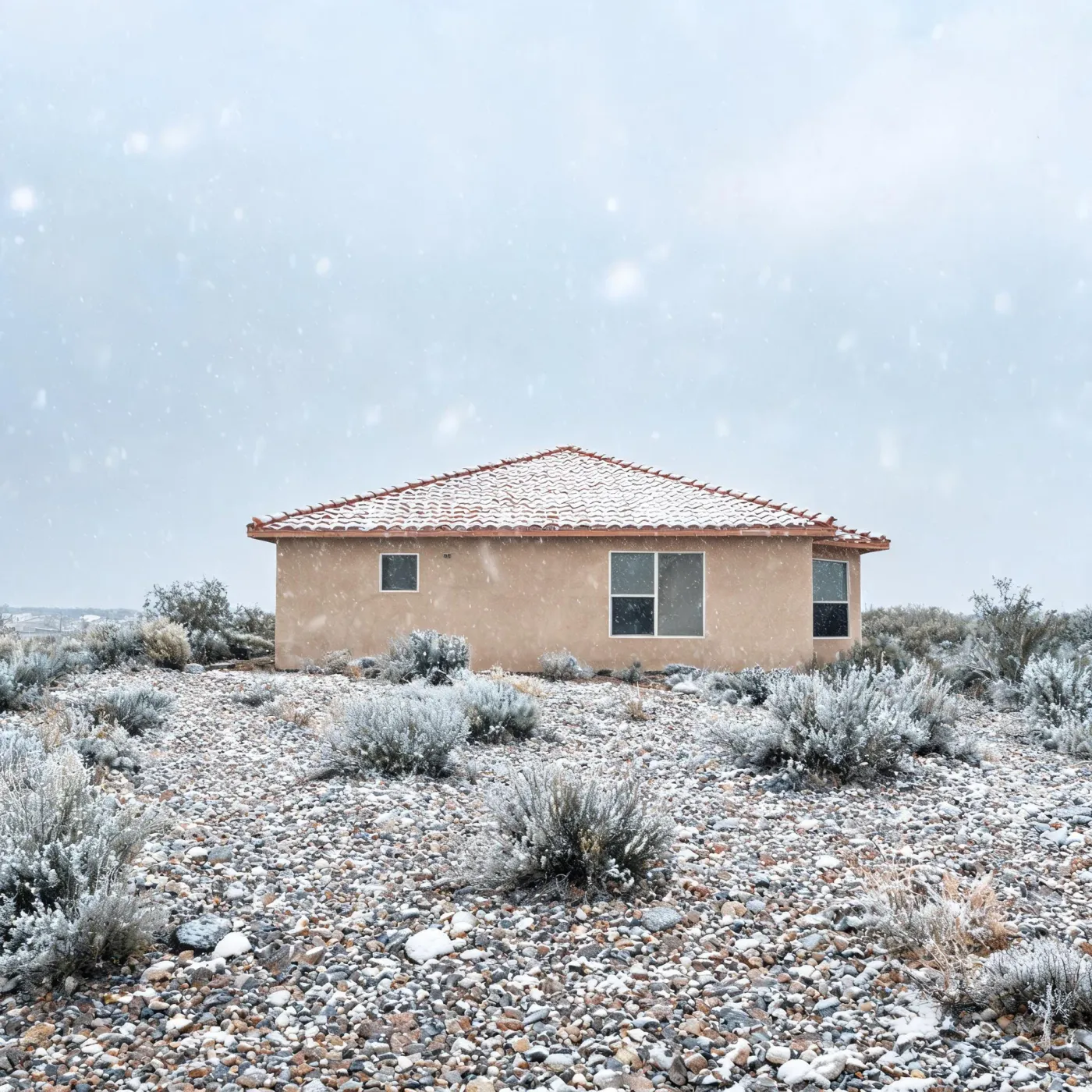
Statewide, winter nights average 23°F, according to NOAA climate data. That's the temperature a boiler left idle since spring has to work against the first time it fires up. Cold pipes and a cold heat exchanger take on a lot of heat all at once, and the water inside goes from still to moving fast. That's when you get the bang, right as the system catches up to what the night is asking of it. A milder night might pass quietly. A hard freeze is more likely to announce itself through the walls.
NOAA nClimDiv 1991-2020 county normals weighted by homes
The banging itself is not the problem. It is what trapped air, scale, or a failing pump part is doing to your boiler each time it fires. Left alone, that noise tends to get louder, not quieter, and what starts as a bled radiator fix can turn into a replaced pump if the pump was already wearing down. You don't need to figure out which one it is before you act. Once you send the form, a contractor who knows these systems takes it from there, and the job of sorting out whether this is a quick bleed or something worn inside the boiler is theirs, not yours. That's one less thing to carry into a cold night. You live with a boiler that sits idle most of the year and gets asked to work hard the moment the weather turns. The banging is its way of telling you something changed while it was quiet. Getting it looked at now, before the coldest nights hit, is how you keep a small noise from becoming a bigger repair.
Get the right pro for your boiler
After you send the request, you're done searching.