One room, every winter
A radiator that never bleeds right or a valve that keeps sticking will leave that same room cold morning after morning until someone finds out why.
 Find a pro near me
Tell a local repair pro what your boiler is doing.
Cold morning, and one radiator in the back bedroom is stone cold while the rest of the house is warm. Or none of them are heating up and the boiler is running anyway. Either way you're standing there trying to figure out if this is a quick fix or something that's going to leave you cold for a week in a New Mexico winter.
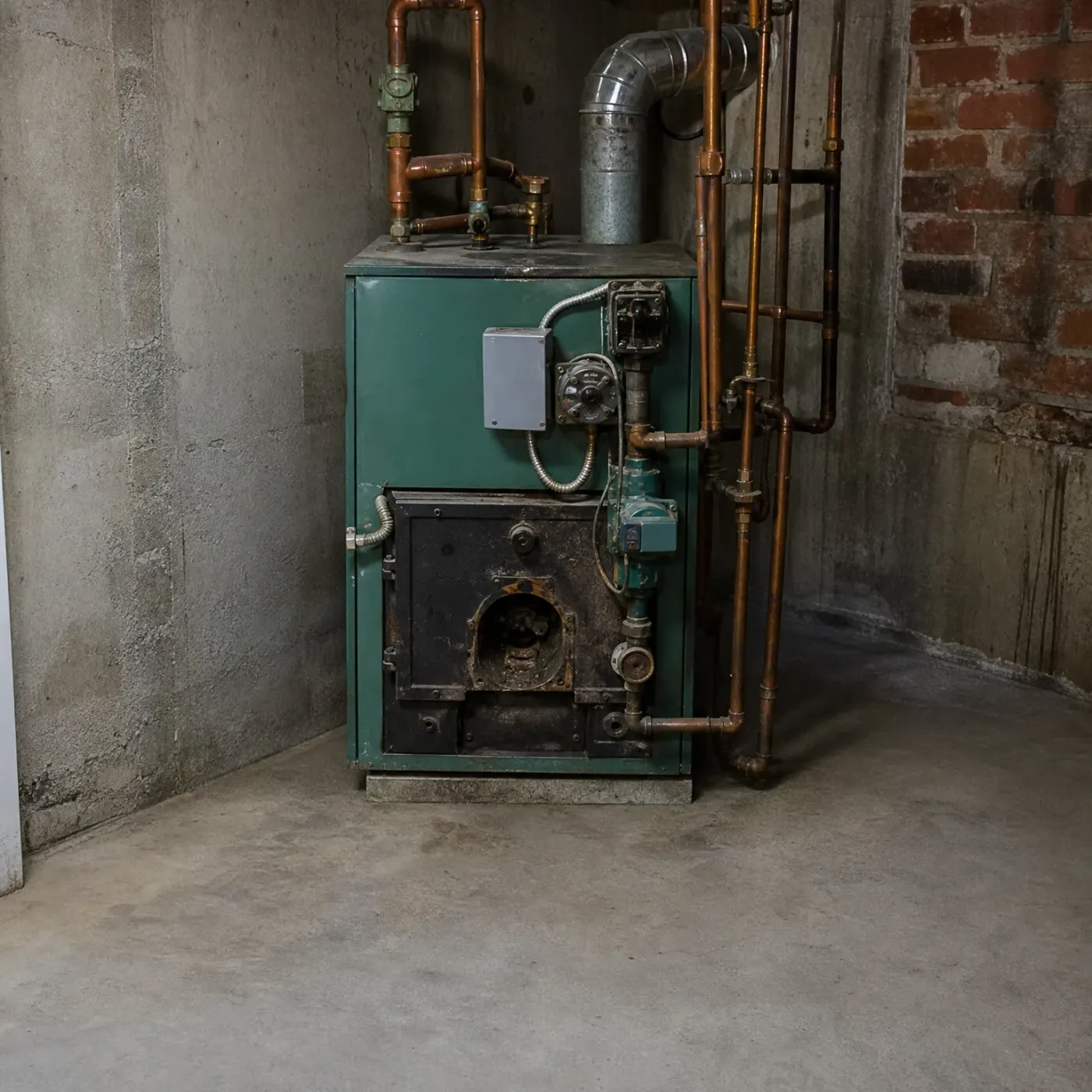
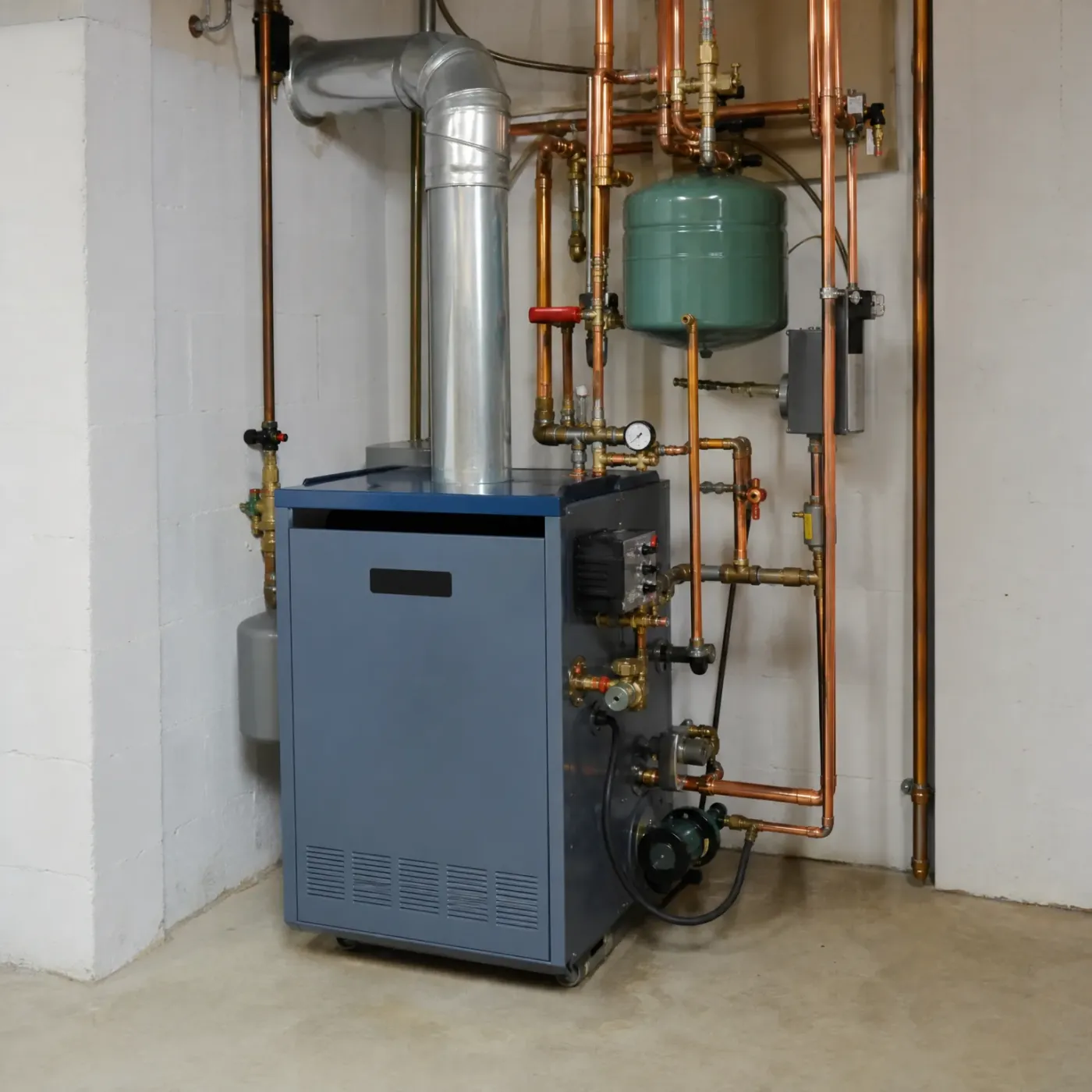
A boiler that won't send heat to the radiators can be a few different things. Trapped air in the lines. A circulator pump that's stopped moving water. A zone valve stuck shut. Low water pressure in the system. Some of these a contractor sorts out in one visit. Others take a closer look at the piping before anyone knows what's wrong. The point is you don't need to guess which one it is before you call someone. You need someone who already knows boilers to look at yours.
That's the part that usually eats the whole day. Searching for who even works on boilers in your area, since not every heating contractor does. Calling two or three of them, explaining the same thing each time, what's cold and what's not, how old the system is, whether it's happened before. Then waiting on callbacks, or quotes that don't line up with each other, while the house stays cold.
This page skips that part. Tell it what's going on with your radiators, and it matches you with a contractor who works on boilers and takes gas heating calls in New Mexico. That contractor reaches out to you directly. No list of names to work through on your own, no retelling the story to someone new each time.
From there it's between you and the contractor, what they find, what it takes to fix it. But getting to that first conversation, the part that usually costs you the most time, is done once you put in what's happening with your heat.
A radiator that stays cold while the boiler runs is almost always trapped air or a stuck valve. Air collects at the top of the radiator and pushes the hot water down and out, so the bottom gets warm and the top stays cold, or the whole thing stays cold if enough air is in there. Bleeding the radiator lets that air out and water back in. If it's cold all over, the valve that feeds it may be shut, stuck, or clogged with the same mineral buildup you'd expect from New Mexico's hard water. When several radiators are cold at once, the problem usually moves upstream to the circulator pump or the boiler's pressure, since a boiler that can't push water through the loop won't heat anything evenly. Either way, the boiler running while a radiator stays cold means heat isn't reaching that room, not that there's no heat to give.




Every radiator has a small valve near the top, usually on one end, built for letting air out. Air gets in when the system cools and heats over and over, and it rises to the top of each radiator because it's lighter than water. Once enough collects, it blocks the water from filling that space, so the top stays cold even though the boiler is running fine. Opening that valve with a key or a screwdriver lets the air escape until water starts to come through, and the radiator heats up again. Afterward the boiler's pressure gauge usually reads a little low, since some water left with the air, so it may need topping up. If the same radiator keeps trapping air after you've bled it more than once, the air is coming from somewhere else in that loop, not forming inside the radiator itself. A radiator that won't heat up even after bleeding is a different problem. That's usually a valve that isn't opening or closing the way it should, and no amount of bleeding fixes a valve that's physically stuck.
Describe your boiler job once, to one pro.
Asking costs nothing, and the choice to hire stays yours.
A boiler system only has so much water in it, and that water has to reach every radiator in the loop. One stuck valve or one air-locked radiator doesn't just leave that room cold, it throws off the balance of the whole system.
That's why the back bedroom goes cold while the living room runs hot, even though it's the same boiler and the same loop. The fix is almost never the boiler itself. It's whatever is blocking water or air from moving through that one radiator.


A radiator that never bleeds right or a valve that keeps sticking will leave that same room cold morning after morning until someone finds out why.
Skip calling around and explaining the cold radiator twice. You get matched with a contractor who handles boiler repair, and they reach out to you.
At 23 below freezing most winter nights, a boiler that's running fine can't make up for one radiator that isn't. A cold spot in January isn't something to watch and wait on.
NOAA nClimDiv 1991-2020 county normals weighted by homes
The boiler fires and sends hot water into the main loop.
Water pushes up through the riser into each radiator.
Trapped air in a radiator blocks water from filling it fully.
A stuck valve stops water from entering that radiator at all.
Walk through the house and it's the same room every time. Maybe the radiator ticks and gurgles but never gets past lukewarm. Maybe it's silent and cold while the one next to it is too hot to touch. You've probably bled it already, more than once, and it holds for a week or two before going cold again. That's not you doing it wrong. A valve that's failing or a leak feeding the air back in will undo a bleed job fast. Left alone through a New Mexico winter, that one room stays cold on the nights it matters most, and the boiler keeps working harder to heat a room it can't reach.
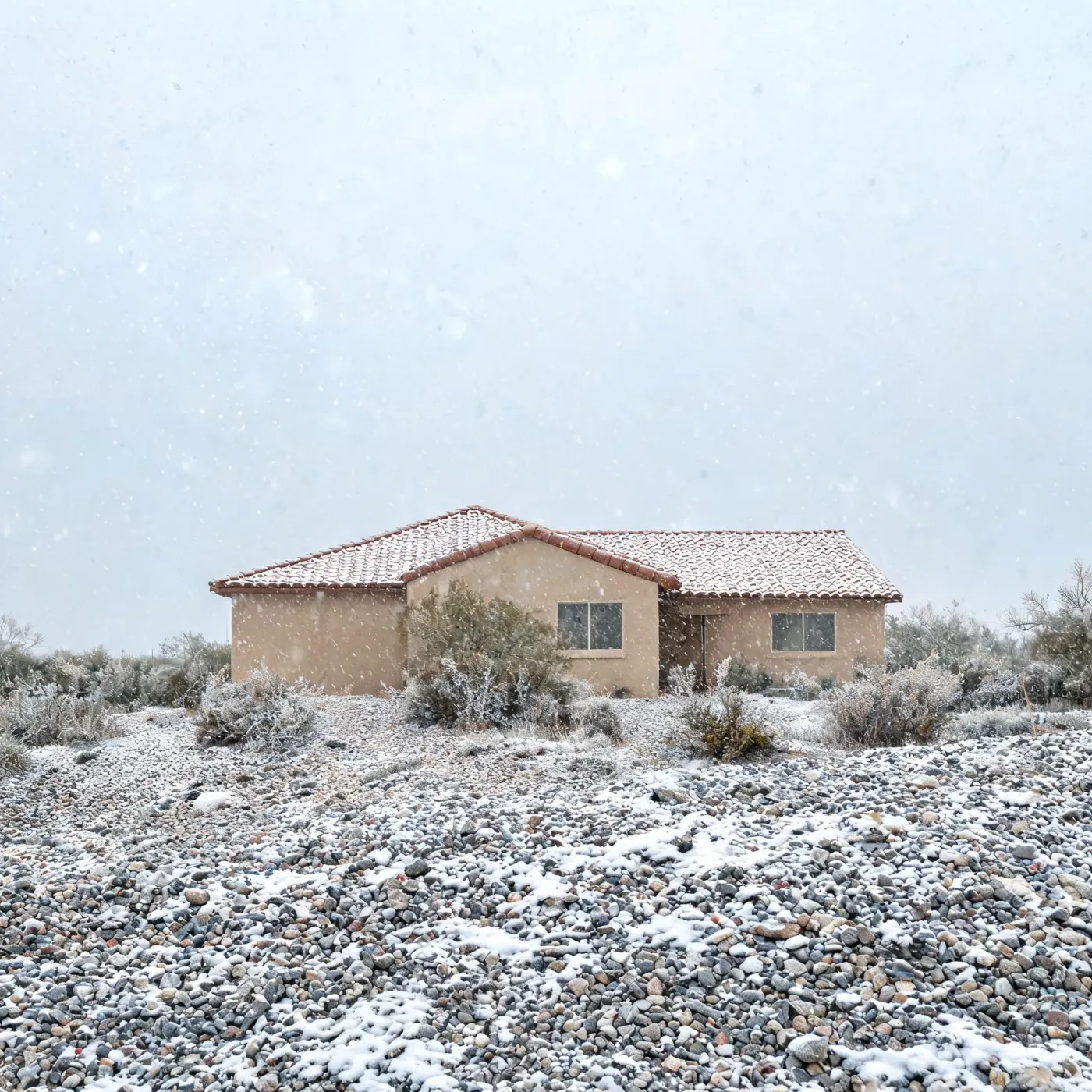
New Mexico's winter nights average 23°F statewide, according to NOAA climate data. That's cold enough that a boiler has to push hot water all the way out to every radiator, every night, for it to do any good. When one radiator is airlocked or its valve is stuck, that room doesn't just run cooler, it stays at room temperature while the air outside sits near freezing. You'll notice it most in the early morning, before the sun's had a chance to help at all. A boiler running fine everywhere else won't fix that one room on its own.
NOAA nClimDiv 1991-2020 county normals weighted by homes
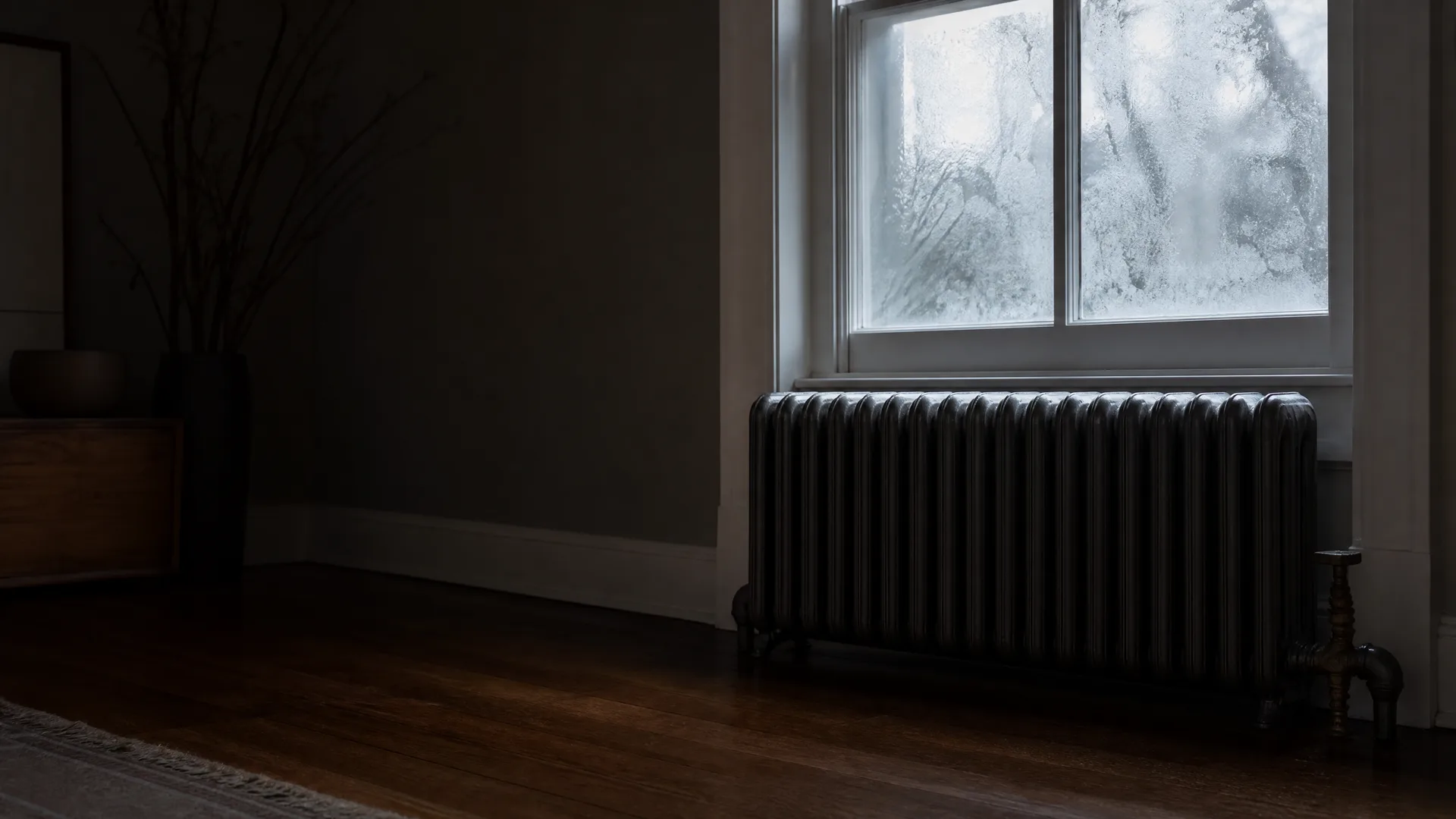
The sun isn't up yet and the living room is cold enough that you can see your breath. Ice has formed on the inside of the window glass, a thin gray film in the corner where the cast-iron radiator sits underneath. You put your palm flat on the top of the radiator and it's dead. Not even warm at the base. Somewhere down the hall you can hear the boiler running, that low mechanical hum it makes, so it isn't off. You crouch down and check the valve at the bottom, then feel along the pipe to see how far the heat made it before it stopped. Outside it's still well below freezing, the kind of morning where the car won't start easy either.

Trapped air or a stuck valve. That's what keeps one radiator cold while the rest of the house warms up fine, and it's true whether this is the first winter it's happened or the fifth. Bleeding it tells you which one it is. If the radiator warms evenly after, you found the problem. If it doesn't, the valve needs a hand.
You don't have to track down who handles boiler repair in your part of New Mexico, call each one, and explain the same cold radiator over and over while you wait on quotes. Answer a few questions about what's going on in your house and you get matched to a contractor who works on this, and they'll reach out to you directly. One conversation instead of several, with someone who already knows what you're dealing with before they walk in.

Explain the job once and skip repeating it on every call.